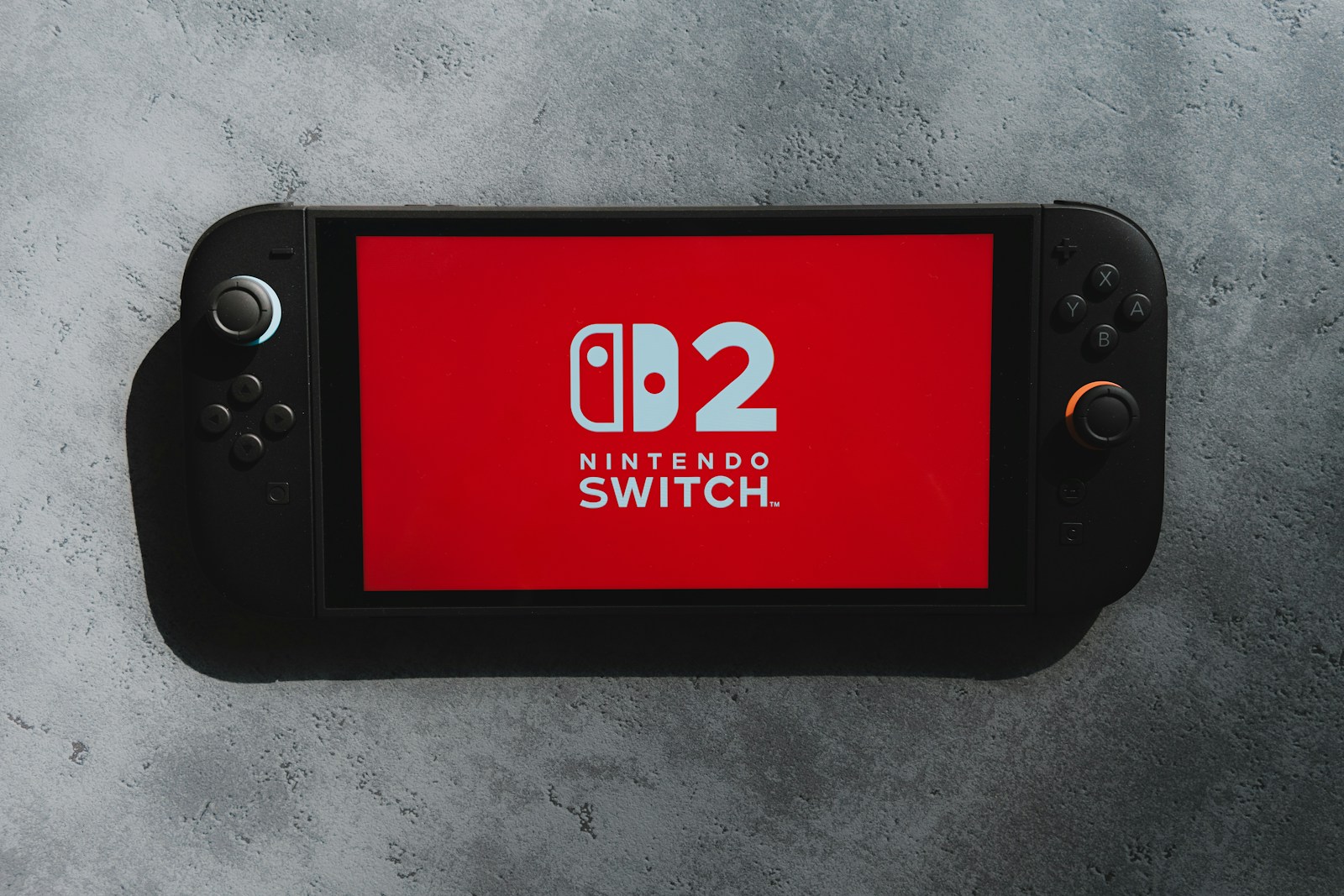
You only get one launch window, but you live with a console’s first wave of games for years. With Nintendo Switch 2 now a year old, you can finally separate the novelty rush from the games that truly stuck. This year-one look back blends performance updates, community habits, and hard-earned playtime to rank the best Switch 2 launch titles, and, just as importantly, explain why some hold up better than others.
Year-One Snapshot: Hardware Improvements, Patches, And Player Trends
Switch 2 didn’t reinvent hybrid gaming so much as refine it. The headline differences you felt all year weren’t just spec-sheet numbers: they were the smoother 60 fps targets in first‑party titles, far snappier load times, and docked modes that looked clean on a 4K TV thanks to smarter upscaling. In handheld, you likely noticed more stable performance, brighter visuals, and better battery behavior in demanding games, enough to make “just one more run” happen more often.
Controllers and comfort mattered, too. The refined sticks and improved haptics made platformers and racers feel tighter, and you saw fewer input hiccups during heated online sessions. On the software side, day‑one patches gave way to meaningful first‑year updates: performance modes with sharper frame pacing, accessibility additions (button remapping got better support), and quality‑of‑life tweaks like faster boot-to-game and cleaner suspend/resume states.
Player behavior settled into a familiar rhythm with new twists. You split time between docked nights and handheld mornings, but the gap narrowed, more games felt “native” in both modes. Indie gems thrived because they loaded instantly and looked crisp, while online staples benefited from steadier netcode and cross‑progression where supported. The upshot: you played more kinds of games, more often, with less friction.
How We Ranked The Best Launch Games
“Best” isn’t just about Metacritic or opening‑week buzz. For this year‑one ranking, you’re looking at how well these launch titles held up after dozens of hours, multiple patches, and a maturing library. Here’s the rubric that actually matters after a year:
- Staying power: Did you keep playing it months later, or did it get shelved as the library grew? Replay loops, endgame depth, and seasonal updates weighed heavily.
- Hybrid optimization: Did it feel equally great docked and handheld? UI scaling, performance consistency, and smart save/suspend design counted.
- Technical upkeep: Did patches improve it in meaningful ways (frame pacing, load times, bug fixes), or did it stagnate? Stability matters more in month 12 than week 1.
- Hardware showcase: Did it sell you on Switch 2’s advantages without gimmicks? Faster loads, smoother 60 fps, and tactile controls over empty buzzwords.
- Community and content: For online or creative games, did the player base grow? Did events, DLC, or creator tools make you come back?
One note on scope: launch lineups differ by region and bundle, so rather than hang this on specific SKUs, you’ll see each ranked slot represent the launch‑window game archetype that defined your first year with Switch 2. If your personal lineup swapped one series for another in the same lane, the aging curve tends to match.
The Best Switch 2 Launch Titles, Ranked
- The Party‑Night Mini‑Game Collection
The go‑to for groups didn’t dominate your solo hours, but it anchored holidays and family nights. Year‑one patches usually streamlined matchmaking and added micro‑modes, and the better haptics made simple games pop. It aged fine, just not essential when you’re playing alone.
- The Showcase Fighter
Gorgeous docked visuals, crisp 60 fps, and netcode that improved over the year made this a steady pick‑up‑and‑play favorite. Handheld ergonomics held up better than expected for short sessions, though serious ranked play still favored a controller. If updates balanced the roster regularly, you kept it installed.
- The Cozy Builder/Simulator
Quick suspend/resume and faster loads are a gift to life‑sim loops. With seasonal events and creator‑made layouts circulating, this one quietly became your longest “background” game. It’s not flashy, but it’s perfect in handheld when you’ve got fifteen minutes between things.
- The Third‑Party Blockbuster Port
A year later, the story is consistency. When developers embraced dynamic resolution sensibly and leaned on Switch 2’s faster storage, these ports felt shockingly playable on the go. Docked play still couldn’t match high‑end PCs, of course, but you played to the strengths: stable performance, quick loads, and hybrid flexibility.
- The Multiplayer Co‑Op Shooter
At launch it was fun: after a year of maps, modes, and balance passes, it became ritual. Cross‑progression and quick‑join lobbies helped you drop in nightly. Performance patches that tamed frame spikes during chaos pushed it up the list: without those, it would’ve sunk.
- The Indie Action‑Platformer That Speedrunners Love
Tight inputs, instant restarts, and slick 2D art sing on Switch 2. Speedrun and challenge communities kept this one relevant, and post‑launch challenge packs extended its life. You probably finished it twice and still boot it to chase a time.
- The Turn‑Based JRPG
RPGs live or die on travel friction. With near‑instant loads, buttery menuing, and readable UI in handheld, this launch‑window RPG became a comfort game. Post‑release QoL (auto‑battle tweaks, difficulty sliders, encounter tuning) helped more people finish it, and talk about it.
- The Mascot 3D Platformer
This is where improved sticks, haptics, and stable 60 fps mattered. Big playground levels, secret‑dense design, and a light but steady drip of time‑trial or creator challenges made it a year‑one staple. It’s the game you show friends when they ask what Switch 2 feels like.
- The System‑Seller Kart/Racer
Split‑screen performance held steady, online stayed lively, and seasonal cups or track passes kept you coming back. It’s also the hybrid ideal: ten‑minute handheld races at lunch, couch chaos at night. If the physics felt weighty and fair, it stole more hours than you’d admit.
- The Flagship Adventure
Your “wow, this is next‑gen for Nintendo handhelds” moment. Whether it leaned open‑world or dense, handcrafted zones, the combination of fast travel without stutter, consistent combat framerate, and clever use of haptics made it the experience you thought about at work. The DLC roadmap (or substantial post‑launch quest updates) sealed the number‑one spot, this is the cartridge you never took out.
What Aged Well Versus What Didn’t
Two truths of the first year: friction got fixed, and thin content got exposed. Games that launched with a strong core loop, racing, precision platforming, tight combat, benefited most from stability patches and faster loads. Once frame pacing smoothed out and UI scaled cleanly in handheld, you could just play. Those titles climbed in your personal ranking as the months went by.
On the other hand, any launch game that leaned on spectacle without systems depth struggled. The honeymoon ended fast when repetitive objectives met a growing library. If the post‑launch plan was vague, you likely drifted away by summer. The same goes for ports that promised “console‑like” fidelity but shipped with uneven performance: if patches didn’t land, they fell behind as native Switch 2 releases set a higher bar.
Hybrid design choices separated the keepers from the curiosities. Winners embraced instant suspend/resume, autosaves that respected short sessions, text sizes that didn’t require squinting, and control schemes that felt identical across docked and handheld. Games that forced you into menus built for a living‑room TV felt like work on a train.
Finally, community mattered. Fighters and shooters with regular balance notes and seasonal events stayed relevant: builders with creator tools exploded across social feeds. Single‑player adventures aged best when DLC or free content drops returned you to the world with purpose instead of filler.
The State Of The Library Heading Into Year Two
You’re walking into year two with confidence. The baseline technical bar is higher, launch‑era stutters are rare, and more devs target a locked 60 with sensible resolution scaling. Expect late first‑year standouts to become templates: hybrid‑native UIs, quick resumes that survive a day’s sleep, and control options that respect how you actually play.
Genre‑wise, three lanes are heating up:
- System‑showcase adventures that trade empty acreage for dense, reactive spaces tailored to portable play sessions.
- Multiplayer staples that commit to cross‑progression, ensuring your handheld time meaningfully feeds your weekend sessions.
- Mid‑budget AA games, strategy, immersive sims, and experimental RPGs, that thrive on faster I/O and a predictable 60 fps target rather than brute‑force visuals.
Back‑compat has quietly become a value engine. Enhanced patches for prior‑gen favorites, shorter loads, better frame pacing, occasional texture or lighting passes, make the Switch 2 library feel enormous, and it’s only growing. If you skipped a late‑cycle hit on the original Switch because of performance compromises, year two is the time to circle back.
For you, that means choices. You’ll still have the couch‑co‑op anchors and the evergreen racer in rotation, but more single‑player releases will respect bite‑sized sessions without feeling bite‑sized. And because first‑year kinks in online and storefront navigation have largely been ironed out, discovery is easier, great news for indies and for your backlog.
Frequently Asked Questions
What are the best Nintendo Switch 2 launch titles one year later?
The standouts fall into archetypes: a flagship adventure at the top, followed by the system‑seller kart/racer, a polished 3D platformer, a showcase fighter, a co‑op shooter with strong updates, and a beloved indie action‑platformer. A cozy builder/sim and a solid third‑party port also held up well.
How did year‑one patches and performance updates change Switch 2 launch games?
Updates focused on stability and feel: smoother 60 fps targets, cleaner frame pacing, faster loads, and better suspend/resume. Many added accessibility (button remapping), UI scaling for handheld, and balance passes for online titles. These fixes reduced friction, made short sessions better, and boosted long‑term engagement.
Which Nintendo Switch 2 launch titles benefited most from hybrid design?
Games that respected quick sessions and portability thrived: racers with 10‑minute cups, builders/sims with instant resume, 2D action‑platformers with instant retries, and JRPGs with fast menus and readable UIs. Titles that mirrored controls and clarity docked and handheld aged best and stayed in rotation.
Why do some Switch 2 launch games age better than others?
Depth and upkeep. Strong core loops—racing, precision platforming, tight combat—improve with stability patches and faster I/O. Regular balance notes, events, DLC, or creator tools sustain communities. In contrast, spectacle without systems depth or uneven performance loses players once the library grows and novelty fades.
Is upgrading from a Switch to a Switch 2 worth it in 2026?
For most players, yes. You’ll feel snappier loads, steadier 60 fps in many titles, better handheld clarity, improved haptics, and more consistent docked upscaling. Back‑compat enhancements extend your library, and hybrid‑native UIs reduce friction. If you mainly play docked at 4K, expectations should stay measured.
How should I choose the best Nintendo Switch 2 launch titles for my play style?
Use a year‑one rubric: pick games with staying power (replay loops, endgame, events), strong hybrid optimization (UI scaling, fast suspend), good technical upkeep (patch history), and active communities when multiplayer matters. If you prefer short sessions, favor racers, builders, or tight 2D action over sprawling grinds.
No responses yet