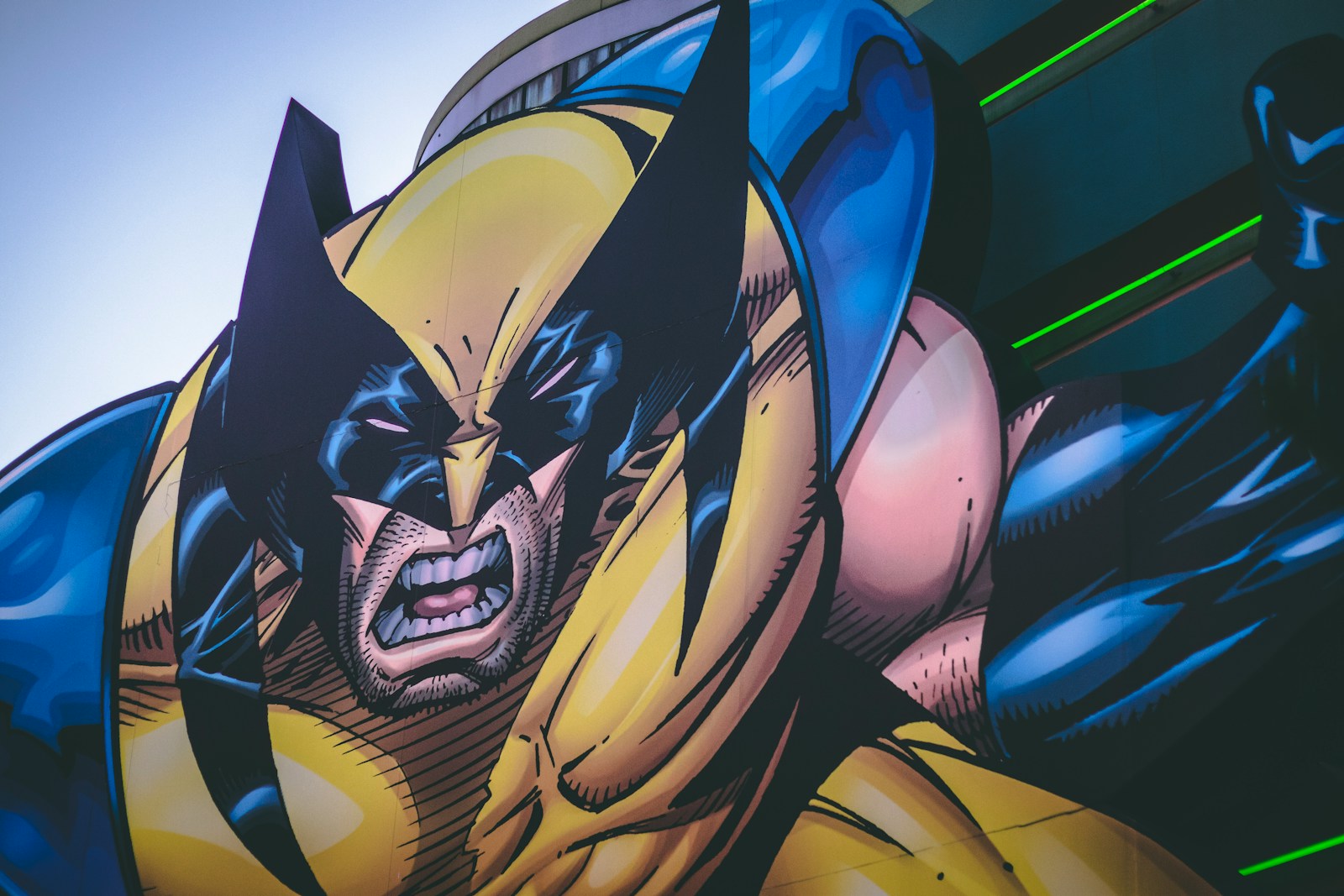
If you’ve watched the mutant line splinter, reform, and reinvent itself over the past decade, “X-Men United” feels like the next big swing, an answer to a long stretch of civil wars, secret nations, and existential resets. Whether you’re following the books weekly, dipping in through X-Men ’97, or eyeing the MCU’s slow-played mutant rollout, this moment looks like a pivot from fragmentation to cohesion. Here’s how a “Mutant Exodus” toward unity could shape your reading list, your favorite characters’ trajectories, and the broader future of Marvel’s mutant lineup.
From Schism to Unity: Why “X-Men United” Now
The State of Mutant Affairs Pre-United
You’ve seen this movie before: the X-Men fracture under pressure, then rally around a new paradigm. From the Schism era (Cyclops vs. Wolverine) to the Krakoa age’s audacious nation-building and its fallout, the mutant line has been defined by internal conflict as much as external threats. Krakoa gave you a bold “what if,” turning survival into statecraft, resurrection protocols, Quiet Council politics, and a global power swing that upset the entire Marvel Universe. But the “Fall of X” arc reminded you that utopias invite backlash. Displacement, diaspora, and moral hangovers piled up.
Pre-United, the core problem wasn’t a lack of great concepts. It was cohesion. The line sprawled across amazing ideas with mismatched tones, from high-minded governance to street-level mutant advocacy. If you’ve felt a little whiplash hopping titles, you weren’t alone. The potential is massive: the payload hasn’t always landed in sync.
The Catalyst Behind the Shift
So why pivot to unity now? Three forces converge: reader onboarding, synergy with screens, and a chance to convert the Krakoa era’s lessons into a cleaner mission statement. You want teams you can follow without a wiki open. Marvel wants a line that aligns with X-Men ’97’s momentum and the MCU’s slow-burn mutant tease (with Deadpool & Wolverine cracking the door). And creators want room to tell character-first stories without abandoning the political and cultural depth that made modern X-Men distinctive.
“X-Men United,” as a banner, gives you permission to expect a shared direction: fewer islands, more bridges: fewer status-quo resets, more consequences channeled into forward motion.
The Core Roster: Who Leads the Next Era
Pillars and Mainstays
For a united era to click, you need anchors. Cyclops and Storm remain the most reliable compass points, one as tactical conscience, the other as moral weather system and stateswoman. Wolverine, still the four-quadrant draw, works best as a cross-line connective tissue rather than the sun everything orbits. Magneto and Professor X, whether present or looming, frame the ideological perimeter: even offstage, their legacies set the stakes for what “unity” actually means.
Jean Grey belongs front and center not only for Omega optics but for the empathy and psychic diplomacy that can knit factions. Nightcrawler gives you spirituality and hope, grounding the line in something human. Kitty Pryde (Kate), the perennial bridge-builder, remains your ideal field leader when politics get messy.
The New Generation Frontliners
If you want longevity, you elevate voices that Gen-Z readers can claim. Synch has quietly become an MVP, competent, compassionate, and versatile in power expression. Laura Kinney (Wolverine) is your edge with heart: she carries legacy without feeling like a derivative. Jubilee, Armor, and Dust offer street-level and international perspectives: Hellion or Surge can reheat the teen-energy dynamic if your line needs more spark.
Beyond that, consider Firestar and Dazzler as cultural ambassadors who can speak to public narrative. Forge, as a futurist, evolves from gadget guy to strategist for rebuilding mutant infrastructure without repeating Krakoa’s blind spots.
Wild Cards and Returning Legends
Rogue and Gambit are evergreen audience magnets and natural swing players for infiltration arcs. Betsy Braddock and Kwannon, handled carefully, can explore identity and agency in a way that feels modern, not messy. Mystique and Destiny bring the chessboard, prophecy vs. choice, while Emma Frost forces uncomfortable truths and necessary alliances. And don’t sleep on Iceman: his power ceiling and recent character work let you push spectacle and heart in tandem.
For true unpredictability, keep Legion or Hope Summers in the wings. They’re narrative accelerants, use sparingly, but when your arc needs a gear shift, they provide it.
Strategy on the Page: Titles, Teams, and Story Arcs
Flagship and Satellite Books
You benefit most when the line has a clear flagship, X-Men as the moral and tactical north star, flanked by 2–3 satellites with distinct missions. Think: a Unity Squad handling cross-species diplomacy and Avengers-level threats: a Street/Outreach book centered on protecting at-risk mutants and winning the narrative war: and a Black Ops unit that answers the question, “What hard choices happen so the flagship doesn’t break its soul?”
The trick is differentiation without isolation. Each book should have a crisp lens and cast overlap that feels intentional: a character rotates to another title because the plot needs them, not because of editorial musical chairs.
Event Architecture and Crossover Cadence
You’re likely getting one tentpole per year, plus a couple of mini-crossovers. That’s healthy, if the tentpole resolves character arcs and the minis feel like natural escalations. Avoid “map-only” events: build smaller beats (2–3 issues) that reward you for following two books without punishing you for skipping three others. Give events a spine, Part 1 (Inciting Threat), Part 2 (Moral Dilemma), Part 3 (Cost and Change), and stick the landing with actual story consequences retained post-credits.
Villains, Factions, and the Power Map
Unity demands worthy opposition. Re-center Magneto and the Brotherhood as ideological foils rather than mustache-twirlers when appropriate: contrast them with Orchis holdovers, human supremacist cells, and corporate technocrats who learned from Krakoa’s disruption. The Hellfire Club and its multinational offshoots can pressure the X-Men financially and politically, while Sinister, even splintered, keeps the gene-ethics horror alive.
On the cosmic edge, the Shi’ar and Brood arcs should be mission-specific, not detours. And don’t forget the public: media manipulators, influencers, and state actors will shape how the world names the “United” era, savior team or soft-power occupiers.
MCU and Multiplatform Synergy
Character Alignment and Casting Gravity
You can feel the casting gravity already. When animation and live-action elevate certain mutants, Wolverine, Cyclops, Storm, Rogue, Magneto, the comics tend to orbit closer. That doesn’t mean every panel mirrors the screen, but it does mean you’ll see lineups that feel “screen-ready.” X-Men ’97’s breakout moments for Cyclops, Jean, and Morph signal storytelling cues: leadership under stress, family dynamics, and fluid identity.
Casting speculation nudges spotlight time. If a Storm-led arc catches fire in animation and word of future MCU plans bubbles up, don’t be surprised when her comic arcs scale in scope and importance. It’s not pandering: it’s smart portfolio alignment.
Timeline and Release Windows to Watch
With Deadpool & Wolverine cracking open mainstream mutant interest and X-Men ’97 renewed, you’re looking at a 24–36 month window where comics can seed beats the screens later harvest. Live-action X-Men is still a developing path, but that gives the books a head start to define tone: hopeful, principled, and punchy. Expect publishing to concentrate on accessible starting points every 6–12 months to sync with media pulses.
Games, Animation, and Merch Feedback Loops
Games boost who you think is “cool” today. Midnight Suns elevated Magik and Nico: the next big title, plus Insomniac’s in-development Wolverine, will amplify whoever plays best in the demo. Animation’s weekly cultural drip (X-Men ’97) is already shaping sentiment: Cyclops as a competent leader, Storm as a capital-H Hero. Merch follows heat: the characters with new Legends figures and premium statues often map to editorial confidence. You’ll feel those ripples in roster choices and variant cover strategies.
Themes That Will Define the Era
Found Family, Diaspora, and Identity
You’ve grown up with the X-Men as found family. “United” should reaffirm that without erasing the diaspora that followed Krakoa’s fracture. Refugee stories, community rebuilding, and cultural preservation give you emotional stakes beyond the next super-fight. Identity isn’t just costume and codename: it’s language, ritual, and memory, show the quiet scenes where that lives.
Politics, Amnesty, and Mutant Nationhood
Krakoa changed the political chessboard. Even if the nation is broken, its precedent remains. Amnesty deals, extradition disputes, and biotech sanctions are plot gold. You should expect arcs where the X-Men advocate for mutant rights without functioning as state rulers. Think “NGO with claws”, street credibility with diplomatic heft, balancing transparency with the secrets required to keep people alive.
Evolution of the X-Men’s Ethics
Unity isn’t kumbaya: it’s consensus under pressure. Where do you draw the line on lethal force after Orchis-level atrocities? Does resurrection return in any form, and if so, what moral fences exist? You’ll get the best stories when the team chooses a harder good over an easier win. Let the code evolve, but make the compromises cost something.
Risks, Opportunities, and Fan Expectations
Continuity Whiplash and Onboarding
Your biggest risk is confusion. After years of high-concept worldbuilding, a unity pivot needs gentle on-ramps: clear “Issue #1” stakes, a recap page that actually orients new readers, and arcs that reward long-timers without gatekeeping. Keep the lore but front-load character motivations so you’re never lost about why the team exists right now.
Representation Beyond Tokenism
You deserve breadth and depth. That means LGBTQ+ mutants, mutants of color, and international voices driving the plot, not cameoing in roll calls. Let language, faith, and regional politics meaningfully shape decisions. Avoid the “diversity episode”: instead, let representation steer arcs and leadership choices organically.
Collector Economics and Event Fatigue
You’re savvy about variant storms and checklist sprawl. One or two cleverly curated variants per issue is fine: five to ten monthly is noise. Events should be opt-in thrills, not assignments. A simple rule keeps your pull list healthy: if a crossover tie-in doesn’t change the characters involved, it should be skippable and proudly labeled as such.
- Guardrails you can expect (and ask for): tighter event maps, transparent reading orders, and arcs that finish in the book you’re buying.
Frequently Asked Questions
What does “X-Men United” mean for the future of Marvel’s mutant lineup?
X-Men United signals a shift from fragmented storytelling to a cohesive, shared direction. Expect clearer team missions, intentional cast overlap, and consequences that carry forward. The initiative reframes lessons from Krakoa into character-first narratives, balancing politics, culture, and action so readers can follow without wikis while long-timers still feel rewarded.
Who are the core leaders in the X-Men United era, and why them?
Cyclops and Storm serve as anchors—tactical and moral compasses—while Wolverine connects books without dominating them. Jean Grey’s empathy and psychic diplomacy knit factions, Nightcrawler grounds hope, and Kitty Pryde excels in messy politics. Magneto and Professor X set ideological stakes, even offstage, defining what “unity” actually means.
How will titles and crossovers be structured under X-Men United?
Expect a flagship X-Men book as the moral north star, plus 2–3 satellites with distinct missions: diplomacy/Unity Squad, street-outreach, and a Black Ops unit. One tentpole event yearly, a few mini-crossovers, tighter maps, and 2–3 issue beats that reward following multiple books without punishing skip-readers.
How will MCU and X-Men ’97 synergy shape this “Mutant Exodus” toward unity?
Screen momentum influences lineup gravity and theme emphasis. Breakout portrayals of Cyclops, Storm, Jean, and Wolverine inform comic spotlights, while a 24–36 month window lets books seed tones—hopeful, principled, punchy—before live-action fully arrives. Expect accessible entry points synced to media pulses, without one-to-one screen mirroring.
When should new readers jump in, and where to start with X-Men United?
Look for Issue #1 relaunches, recap pages that clearly state the mission, and a flagship X-Men #1 as your hub. Add one satellite that matches your taste (diplomacy, street-level, or Black Ops). Use publisher reading orders; tie-ins labeled as optional can be safely skipped if budget’s tight.
Will resurrection protocols return in X-Men United, and what ethical lines might change?
Resurrection may reappear in limited, rule-bound forms—or be retired to avoid repeating Krakoa’s blind spots. Either way, ethics are evolving: expect stricter lines on lethal force, transparency versus necessary secrecy, and story costs for compromises. Unity isn’t kumbaya; it’s consensus under pressure with lasting consequences.
No responses yet