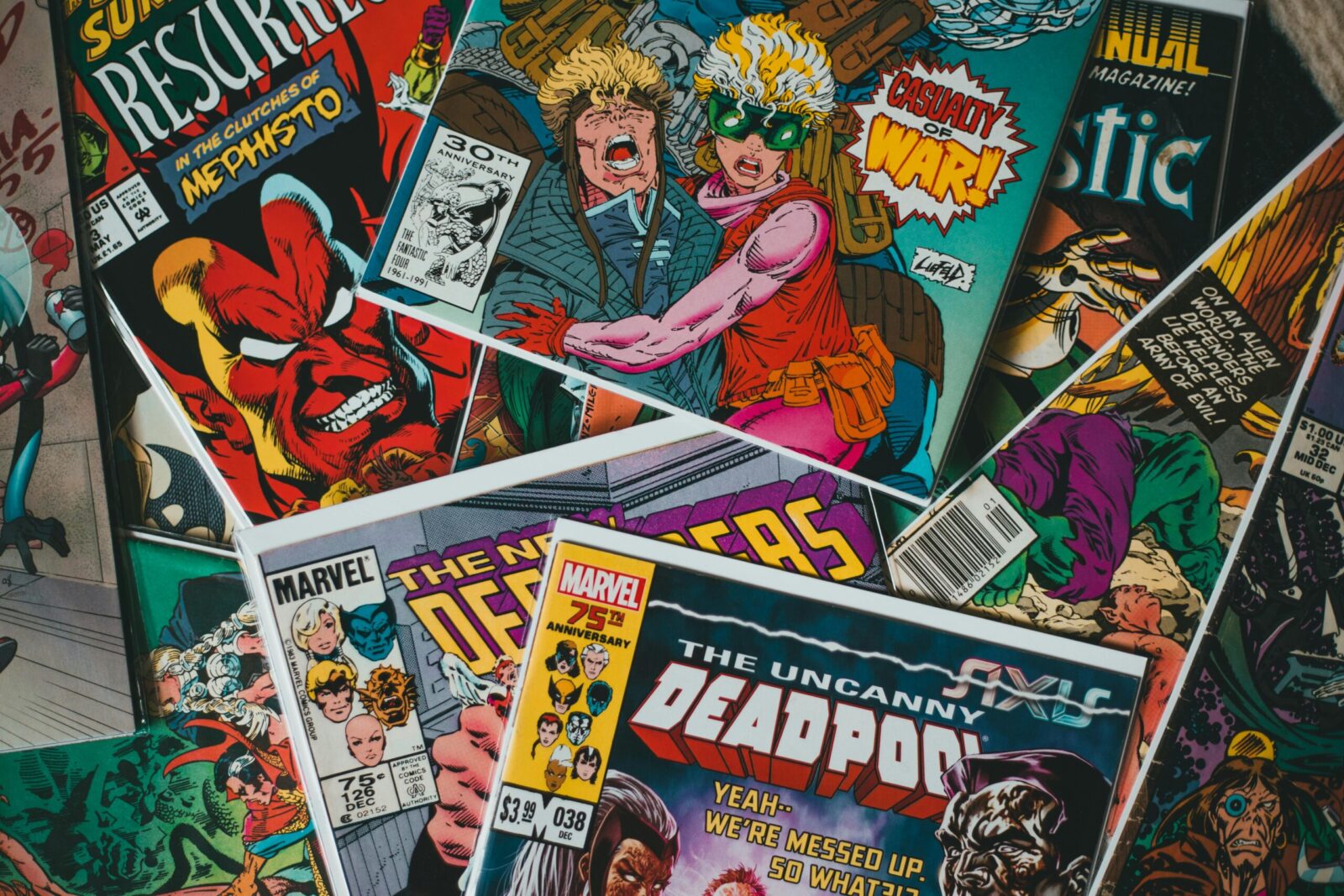
Starting a graphic novel collection in 2026 can feel like staring at an endless wall of spines, exciting, a little overwhelming, and full of hidden gems. The good news: you don’t need a warehouse budget or decades of context to start strong. The right books give you evergreen storytelling, art that holds up to re-reads, and editions that retain value. Here’s your confident, no-fluff guide to the 10 essential graphic novels every new collector needs in 2026, and how to buy them smart.
How We Chose These Essentials
You’re building a foundation, not a museum. These essentials were selected on four criteria: enduring cultural impact, accessibility (you can read them cold), production quality across editions, and long-term collectability. The list spans superhero milestones, literary masterworks, and international classics, giving you range without redundancy. We also favored works with widely available, high-quality printings in 2026 so you can actually find them, and, if you want, upgrade later to deluxe or rare editions without duplicating content endlessly.
The 10 Essential Graphic Novels for New Collectors in 2026
Watchmen, Alan Moore & Dave Gibbons
You can’t talk about essential graphic novels without Watchmen. It’s a dense, meticulously structured deconstruction of superheroes, politics, and power that still reads razor-sharp today. The nine-panel grid, embedded symbolism, and supplemental “in-world” documents reward multiple passes. As a collector, you’ll find a range, from affordable paperbacks to oversized editions that let Gibbons’ precision breathe. If you buy one book that proves the medium’s literary weight, it’s this.
The Sandman (Book One), Neil Gaiman & Various
Sandman is where mythology, horror, fantasy, and literary fiction collide, and somehow it’s welcoming to new readers. Book One starts you on a long arc that matures with you, collecting the early issues with cleaner reproduction than older trades. It’s the cornerstone of any serious collection because it’s endlessly discussed, frequently referenced, and perennially reprinted. You’ll appreciate the remastered colors and the tighter binding choices in modern editions.
Batman: Year One, Frank Miller & David Mazzucchelli
Year One is lean, moody, and devastatingly elegant. Mazzucchelli’s linework and Richmond Lewis’s color design give Gotham a grounded, neo-noir bite, while Miller’s script strips Batman down to first principles. This is the entry point for collectors who want a canonical Batman without needing a reading map. It’s also a showcase title where upgraded formats, bigger pages, better paper, materially change your experience.
All-Star Superman, Grant Morrison & Frank Quitely
When you need proof that superhero comics can be generous, humane, and smart without being cynical, All‑Star Superman delivers. It distills decades of myth into 12 issues that feel timeless, buoyed by Quitely’s delicate figure work and ingenious layouts. It’s an evergreen crowd‑pleaser, and an excellent lesson in how modern, high-resolution printing flatters fine line art.
Saga, Vol. 1, Brian K. Vaughan & Fiona Staples
Saga is the book you hand to friends who say, “I don’t read comics.” It’s a wild, heartfelt space opera that juggles war, family, and absurdity, with Staples’ painterly digital art making every page pop. Volume 1 is a perfect sampler for your shelf: affordable, widely available, and a solid gauge of whether you’ll commit to the larger series. First prints can be fun to hunt, but any clean copy works for a starter collection.
Maus, Art Spiegelman
A landmark memoir about the Holocaust and its generational echo, Maus is a must, even if your tastes lean genre. Spiegelman’s formal clarity makes the subject approachable without softening its impact. It’s taught, challenged, banned, defended, and always discussed. From a collector’s perspective, stable demand and quality Pantheon printings make it a secure cornerstone of a literary-leaning shelf.
Persepolis, Marjane Satrapi
Persepolis reads like a quick conversation that lingers for years. Satrapi’s stark black‑and‑white cartooning carries a coming‑of‑age story set against the Iranian Revolution, balancing humor and heartbreak with disarming simplicity. It’s an essential because it broadens your collection’s scope beyond superheroes and Western canon while remaining friendly to new readers, and it’s commonly assigned in schools, which keeps editions circulating.
Bone (One-Volume Edition), Jeff Smith
Bone is pure adventure: Looney Tunes charm meets epic fantasy. The One‑Volume Edition collects the entire saga in a single brick of a book, typically in black‑and‑white with crisp reproduction of Smith’s expressive linework. It’s the rare “all-ages” title that adults happily re-read. From a collecting angle, the one‑and‑done format is excellent value, and signed or sketch copies from Jeff Smith are treasured keepsakes.
Akira, Vol. 1, Katsuhiro Otomo
Akira is kinetic, cinematic, and influential across the globe. Volume 1 drops you into Neo‑Tokyo with seismic action and world‑class draftsmanship. Even if you plan to read the entire series, starting with Vol. 1 gives your shelf a statement piece from manga’s top tier. Good reproductions preserve Otomo’s blacks and line density, something cheaper paper can muddy, so edition choice matters here.
Daytripper, Fábio Moon & Gabriel Bá
Daytripper is a quiet knockout: a meditation on life’s hinges, love, family, work, death, told through a repeating structural device that feels fresh rather than gimmicky. Moon and Bá’s watercolor-inflected lines and restrained palette sing in quality printings. As a single, complete volume, it slots neatly into a starter collection and tends to resonate with readers across genres. It’s also a great candidate for giftable upgrades in deluxe formats.
Editions And Printings To Target In 2026
You don’t have to chase grails to buy smart. In 2026, prioritize readability, durability, and formats that historically hold value.
- Oversized hardcovers for art‑forward books: Watchmen “Absolute”/oversized editions, All‑Star Superman Deluxe/Absolute, and Sandman Deluxe or omnibus lines give you better paper, binding, and color fidelity. The larger page size showcases linework and lettering.
- For literary staples: Maus and Persepolis from Pantheon/Random House typically feature consistent paper quality and sturdy binding. The combined‑volume Persepolis is convenient and widely available.
- Bone: The One‑Volume Edition from Cartoon Books is the iconic pick. If you prefer color, the multi‑volume Scholastic editions look great, but the single brick is the collectible conversation piece.
- Akira: Kodansha’s hardcover box set remains coveted, but individual paperback volumes with right‑to‑left formatting and crisp blacks are excellent. Avoid older editions with washed-out tones.
- Saga: First printings of Vol. 1 are collectible, but for reading, the standard trade or the hardcover Book One (collecting multiple arcs) is a durable upgrade.
- Daytripper: Seek the Deluxe/oversized hardcover when available: the extra breathing room enhances the wash effects and page compositions.
General printing tips: check number lines for first printings, look for sewn binding over glued in heavier books, and favor acid‑free, matte or semi‑gloss paper that resists glare. Dust jackets with intact prices and minimal edge wear keep long‑term value steadier.
Smart Buying And Care Tips
Condition beats scarcity when you’re starting out. A sharp, common edition often outperforms a battered “rare” one long-term.
- Grading basics: Look for tight spines, square corners, no foxing or page tanning, and no odors (mildew is a dealbreaker). “Near Mint” for a book means crisp boards, clean jacket, and unmarred interiors.
- Where to buy: Support your local comic shop for new printings and community intel. For out-of-print editions, use reputable sellers with photos and return policies. Be wary of “like new” listings with stock photos.
- Storage: Keep books upright on sturdy shelves, away from direct sunlight, at 60–70°F and roughly 40–50% relative humidity. Use mylar book sleeves for pricier hardcovers, and avoid tight shrinkwrap long-term, it can warp boards.
- Handling: Clean, dry hands. Don’t pull from the head of the spine: push the book out from the middle. If you need to remove old price stickers, test on a mylar cover or use a citrus adhesive remover sparingly on modern laminate only.
- Maintenance: Dust tops regularly: a soft brush prevents grit from abrading jackets. For light surface grime on laminated covers, a barely damp microfiber cloth works: never on uncoated paper.
One last habit: track purchases. A simple spreadsheet noting edition, printing, price, and condition helps you avoid accidental duplicates and spot value trends.
Budgeting And Collection Strategy
You’re building taste and momentum. Start with durable, widely available editions, then upgrade selectively.
- Set tiers: Everyday reads (standard trades), showcase pieces (deluxe/oversized), and future hunts (special printings, signed copies). Allocate most of your budget to showcase pieces that elevate art and last.
- Rotate and upgrade: Buy the standard edition to read now. If you fall in love, sell or gift it when you upgrade to a deluxe. This keeps shelves lean and costs contained.
- Time your buys: New print runs often hit around media moments or anniversaries. Preorder to lock in retail pricing before aftermarket spikes. For backlist, set alerts on trusted marketplaces and wait for clean copies below average.
- Stay focused: Pick two lanes, say, “modern deluxe hardcovers” and “literary essentials”, and ignore the noise until you’ve built a sturdy base. A coherent shelf photographs better and is easier to insure.
Remember: the most valuable collection is the one you re-read. Let your favorites drive spend, not speculation.
Frequently Asked Questions
What are the 10 essential graphic novels every new collector needs in 2026?
Watchmen; The Sandman (Book One); Batman: Year One; All-Star Superman; Saga Vol. 1; Maus; Persepolis; Bone (One-Volume Edition); Akira Vol. 1; Daytripper. These picks balance cultural impact, accessibility, production quality, and long-term collectability, with widely available 2026 printings and clear upgrade paths to deluxe or rare editions.
How should I choose editions and printings in 2026 for essential graphic novels?
Prioritize oversized hardcovers for art-forward titles (Watchmen, All-Star Superman, Sandman). For literary staples, favor Pantheon printings of Maus and Persepolis. Pick Bone’s One-Volume Edition, Kodansha for Akira, Saga’s HC Book One, and Daytripper Deluxe. Check number lines, sewn binding, acid-free paper, and intact dust jackets for value retention.
What’s the best way to store and care for graphic novels to preserve value?
Shelve books upright, away from direct sunlight, at 60–70°F and 40–50% relative humidity. Use mylar sleeves for pricier hardcovers and avoid tight shrinkwrap. Handle with clean, dry hands; push from the middle, not the spine head. Dust regularly; use a barely damp microfiber only on laminated covers, never uncoated paper.
How can I budget and plan a starter collection of essential graphic novels in 2026?
Set tiers: everyday reads, showcase editions, and future hunts. Allocate most budget to showcase upgrades that elevate art. Buy standard now, upgrade later, and sell or gift duplicates. Time purchases around reprints/anniversaries; preorder to avoid spikes. Track editions, prices, and condition, and focus on two collection lanes to stay disciplined.
Are digital versions useful for collectors, or should I stick to physical graphic novels?
Digital is great for sampling, reading, and learning what to upgrade—often cheaper, portable, and immediate. For collectability and resale, physical wins: editions, printings, and condition drive value. Many collectors read digitally, then buy deluxe hardcovers they love. Note digital rarely appreciates and may carry DRM or regional limits.
Should I get graphic novels signed or graded to increase value?
Signatures can add value, especially on limited or deluxe editions—keep COAs and provenance, and favor unobtrusive placements. Avoid personalizations if maximizing resale. Professional grading/slabbing is uncommon for graphic novels, but premium slipcased or scarce hardcovers may benefit. Protect dust jackets, use mylar, and store documentation with the book.
No responses yet