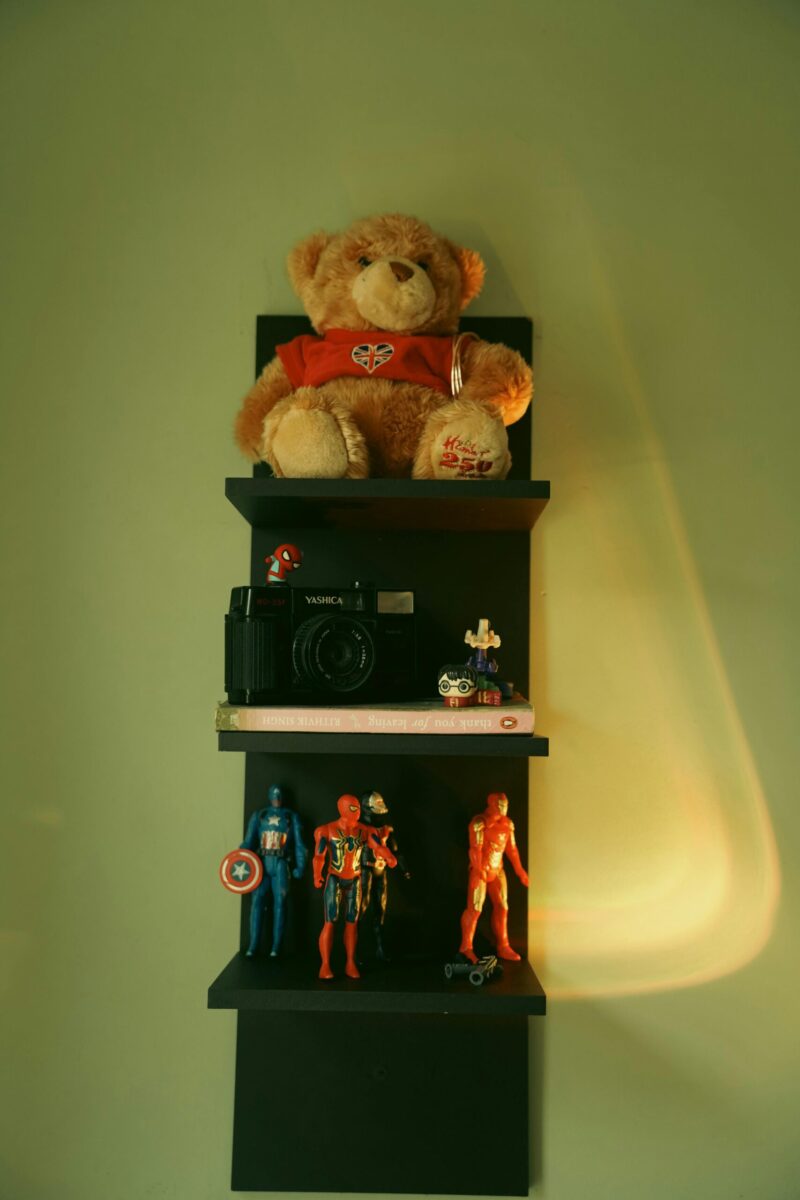
You love the chase, finding that grail figure, nabbing a limited convention exclusive, completing a wave you swore you didn’t need. But secondary markets are also where knockoffs lurk. This guide, Toy Hunting 101: How to Spot Counterfeit Action Figures on Secondary Markets, shows you how to separate the real from the “too close for comfort.” You’ll learn what to research before you buy, the packaging tells that fakes can’t hide, how to inspect figures and accessories like a pro, and what to do if a counterfeit slips through. Whether you’re into Marvel Legends, SHF, NECA, Hot Toys, or vintage Kenner, the same principles apply. Let’s give you an edge so your shelf is authentic, and your wallet stays happy.
Build Your Baseline: Research Before You Buy
Check Official Specs, Photos, And Release Notes
Your best defense is knowing exactly what the real thing should look and feel like. Pull details from the manufacturer’s product page or press releases: SKU, wave assortment, dimensions, accessory list, articulation count, and packaging style. Hasbro and Mattel often list case assortments: Bandai Tamashii posts official galleries with closeups of tampo prints and effect pieces. Save a few official images to your phone so you can compare tiny details, like font weight on the nameplate or the exact hue of a visor, when you’re chatting with a seller.
If it’s a premium line (Hot Toys, Threezero), note material callouts: die-cast components, stitched fabrics, wired capes. Fakes frequently get these wrong, swapping die-cast for painted plastic or using non-wired fabric.
Use Community Databases And Comparison Galleries
Fan-wikis and collector forums often archive side-by-sides of authentic vs. bootleg releases. Search “[line] bootleg guide” or check communities on Reddit (r/ActionFigures, r/MarvelLegends), ToyArk, or Figure Collection sites. Many sellers don’t realize their piece is a KO: community galleries will show recurring tells, like slightly shorter neck pegs on SHF bootlegs or fuzzy tampo edges on NECA counterfeits. Save reference threads for the exact figure and year.
Know Variants, Reissues, And Regional Packaging Differences
Counterfeiters exploit confusion around variants. Learn the difference between first release and reissue packaging (e.g., Bandai’s blue vs. brown Tamashii shipper boxes, Hasbro’s plastic-free packaging era vs. windowed boxes). Regional marks matter: US boxes might show multilingual warnings and a specific legal block: Asia releases may include local distributor stickers. Also note retailer exclusives (Target, Walgreens, Amazon) that use unique UPCs or stickers, if a listing shows the wrong combo of sticker and box art, pause.
Packaging Red Flags You Can Spot Quickly
Typography, Logos, And Legal Text Alignment
Fonts are often the first giveaway. Look for inconsistent kerning, too-bold logos, off-white instead of pure white ink, and muddy registration in the fine print. Authentic packaging keeps trademark symbols crisp and aligned: bootlegs sometimes drop the ™/® entirely or place them oddly. Check the age warning icon and the choking hazard triangle, licensed packs use consistent iconography: fakes improvise.
Seal Integrity, Blister Form, And Box Construction
Factory seals on windowed boxes are clean and even. If the tape looks hazy, wrinkled, or re-taped, you might be staring at a reseal or figure swap. For carded figures, examine blister clarity and shape: legit blisters are uniform with smooth heat-seal edges: counterfeit blisters show ripples, bubbles, or a yellow tint right out of the gate. Boxboard quality is another tell, authentic boxes feel denser, and the inner trays fit precisely. Fakes often use flimsier board and generic inner trays.
Barcodes, Batch Codes, And Misleading QR Links
Match the printed UPC to the figure’s known UPC (quick Google cross-check). Batch or date codes, often etched or inked on flaps, should follow the brand’s format (e.g., Hasbro’s dotted stamp with a Julian date). Random strings, missing codes, or codes that don’t match the production year are red flags. Some bootlegs print QR codes that link to unrelated sites or dead pages. If a QR goes somewhere sketchy, treat the whole package as suspect.
Here’s a quick packaging hit-list you can run through in under a minute:
- Is the logo crisp, the legal block complete, and the seal tape original-looking? If any one of those feels off, slow down and investigate further.
Inspect The Figure And Accessories Like A Pro
Plastic Quality, Weight, Odor, And Surface Finish
Counterfeit plastic often feels waxy or brittle. Compare weight to known authentic figures in the same line: KOs can be noticeably lighter (or weirdly heavier if they hide cheap metal screws). A strong chemical odor that doesn’t fade after a few minutes is a common KO signature. Surface finish should match line norms, matte on bodies, gloss on helmets as appropriate. Shiny where it should be matte, or vice versa, is a clue.
Sculpt Fidelity, Joint Tolerances, And Articulation Range
Bootlegs usually lose sculpt sharpness: hair strands merge, panel lines soften, tiny rivets become blobs. Check joint tolerances, authentic figures have predictable friction: fakes swing loose or seize up. Test articulation within the advertised range: butterfly joints should actually cross the chest: double knees should close as expected. If you hear stress cracks or see whitening at the hinge the moment you move it, step back.
Paint Applications, Tampo Prints, And Overspray
Look closely at eyes, emblems, and micro text. Authentic tampo prints are razor-sharp with clean boundaries. KOs show dotty edges, misalignment, and color bleed. Metallic paints on authentic figures reflect evenly: fakes may look chunky or streaked. Check for overspray inside helmet rims or along belt lines, legit QA won’t let obvious haze pass.
Accessory Fit, Effects Pieces, And Stands
Test every peg and port. Genuine accessories seat with a confident “click” and sit flush: bootleg pegs can be too short, too soft, or inconsistent in diameter. Effects pieces should align with sculpted notches and stay put. Stands from premium lines often have branded bases or specific armatures, generic stands in a supposed premium box are a warning sign.
Beyond The Eye Test: Authentication Techniques
Serial Numbers, Date Stamps, And Mold Marks
Many brands include internal stamps on thighs, feet, or inner torso pieces. Compare the font, placement, and spacing to known authentic examples. Some Hot Toys figures include holographic seals and unique serials on the shipper and COA, these should correspond. Mold marks tell a story too: legit figures have consistent gate placement and minimal flashing: KOs show sloppy sprue cuts or extra seam lines.
Blacklight, Magnet, Scale, And Caliper Checks
A small UV light can reveal hidden QC stamps or UV-reactive inks on packaging that bootlegs skip. A magnet test helps where die-cast parts are expected, no pull where there should be metal is a problem. Keep a pocket scale and a caliper: weight within a few grams of known authentic is reassuring, and calipers quickly expose off-size pegs (e.g., 3 mm vs. 3.3 mm) or head sockets that sit too shallow.
Live Verification Calls And Metadata From Seller Photos
Ask for a short video call or an uncut video: show all sides of the box, seals, and the figure’s joints being moved. Request natural light and a neutral background. For platforms that compress images, ask for at least one original photo by email so you can examine EXIF data, many sellers’ phones embed capture date and device info. While EXIF isn’t proof of authenticity, mismatched dates (claimed 2018 purchase, 2025 capture of “new” box with odd wear) can prompt better questions.
Read The Room: Marketplace And Seller Signals
Pricing Patterns And Too-Good-To-Be-True Deals
Study recent sold listings, not asking prices. If a figure consistently sells at $120–$150 and a new account lists three for $60, assume there’s a catch. Bulk availability of “rare” items is a classic KO pattern. Authenticity usually follows scarcity curves, when supply seems infinite, be skeptical.
Listing Photos, Backgrounds, And Copy Clues
Photos shot on the same wrinkled cloth background across dozens of unrelated listings can indicate a drop-shipper. Look for reflections in the window, can you see the photographer or a retail setting? Stock photos or heavily filtered shots hide sins. Descriptions that dodge authenticity (“inspired,” “factory variant,” “from overseas supplier”) are soft confessions.
Seller History, Returns, And Communication Style
Long feedback history with detailed comments from figure collectors is a good sign. Sellers who accept returns and answer specific questions (“Can you photograph the right ankle date stamp?”) show confidence. Evasive replies, delayed responses, or sudden pressure (“other buyer waiting”) are red flags.
Safe Payments, Buyer Protection, And Shipping Practices
Use payment methods with buyer protection. Avoid friends-and-family transfers for unverified sellers. Ask about packing: inner tray protection, bubble wrap, and double-boxing for premium pieces. Tracking and signature confirmation on higher-value figures protect both sides.
If You Bought A Fake: Next Steps
Document Everything And Contact The Seller Or Platform
Take timestamped photos and videos: box, seals, barcodes, batch codes, and closeups of the tells (misprints, wrong joints, poor tampo). Keep screenshots of the listing and your messages. Contact the seller first, polite and direct works best, then escalate through the platform if needed.
Disputes, Chargebacks, And Reporting Channels
Open a case with the marketplace and your payment provider right away: most have strict timelines. Reference item-not-as-described policies and attach your evidence. If the platform allows, link to an official product page or trusted comparison thread that highlights differences. Don’t destroy or modify the item until the case closes, some providers require return shipping for refunds.
Notify Communities Responsibly Without Doxxing
Share your experience to help other collectors, but keep it factual and anonymized where appropriate. Post side-by-side photos and the red flags you observed, not the seller’s personal info. Platforms respond better to pattern reports (“multiple counterfeits from this store”) than to flame posts.
Frequently Asked Questions
What are the fastest packaging checks to spot counterfeit action figures on secondary markets?
Scan logos and legal text for crisp print and correct ™/® placement, verify factory seals and blister quality, and cross-check the UPC and batch/date codes against known formats. Off-white inks, muddy registration, hazy or re-taped seals, rippled blisters, flimsy boxboard, or sketchy QR links are red flags.
How can I verify figure quality and accessories before I buy?
Compare weight, plastic feel, and surface finish to line norms; note chemical odors. Test articulation ranges and joint tolerances, and inspect paint and tampo sharpness. Ask the seller for videos showing peg fit, effects alignment, and stands. Authentic accessories seat flush with consistent diameters and confident clicks.
What should I ask a seller to reduce risk when toy hunting online?
Request uncut video in natural light showing all box sides, seals, and joints in motion. Ask for close-ups of date stamps, serials, and inner trays, plus at least one original photo to check metadata. Confirm return policy, packing method, and use payment options with buyer protection.
If I accidentally bought a fake, what steps help secure a refund?
Document everything with timestamped photos and video—box, codes, misprints, joints. Contact the seller politely, then open cases with the marketplace and payment provider within their timelines. Reference item-not-as-described policies and link official product pages or comparison threads. Don’t alter the item; some refunds require return shipping.
Is it illegal to buy counterfeit action figures, and can customs seize them?
Selling or importing counterfeits typically violates intellectual property laws, and customs can seize suspected counterfeit goods. Buyers who unknowingly purchase a fake generally aren’t prosecuted, but possession may be forfeited if intercepted. Laws vary by country and state—check local regulations and avoid knowingly importing or reselling counterfeit items.
No responses yet