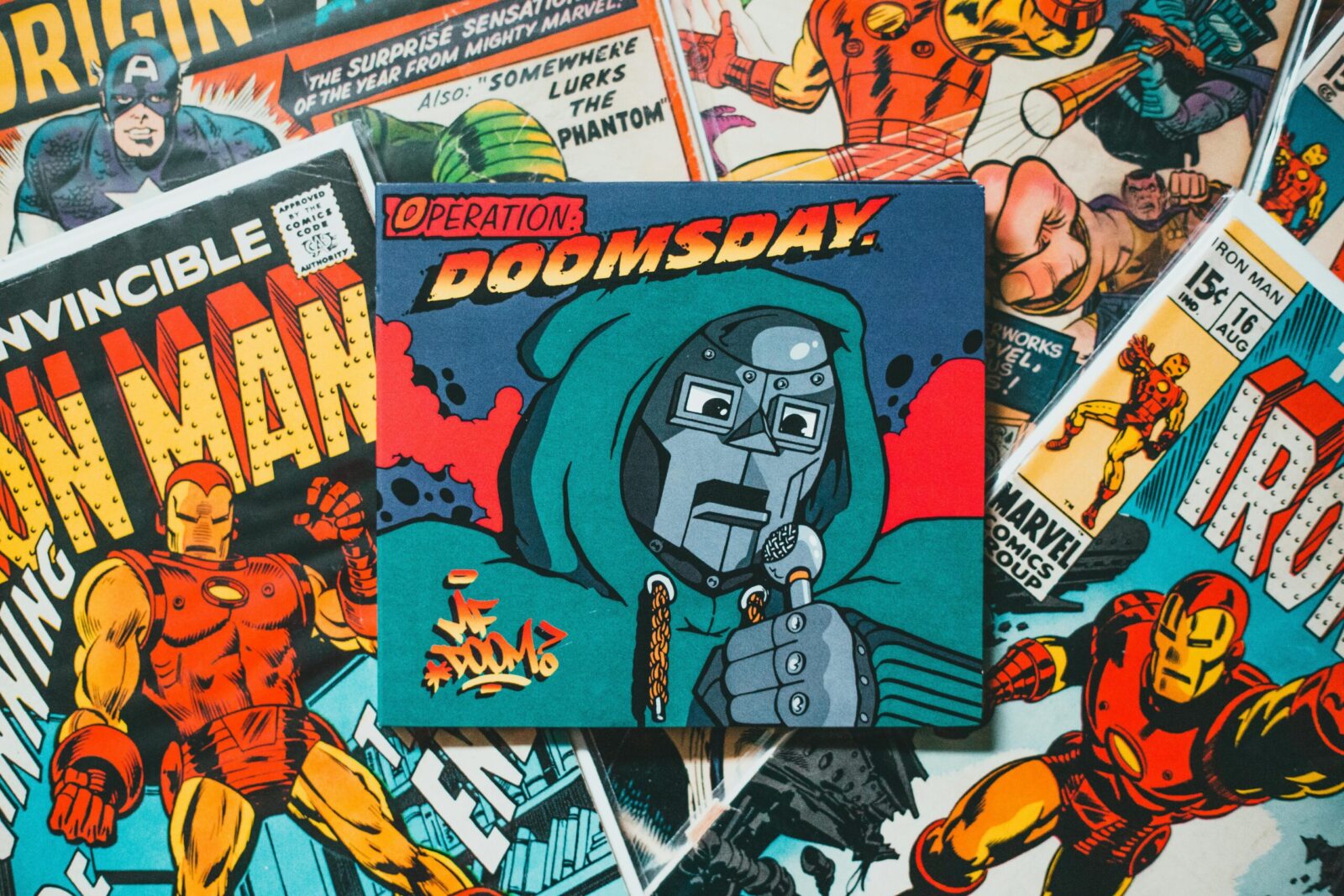
You’ve seen the buzz: a new issue drops, the regular cover sells fine, but a particular variant cover lights up auctions. If you’re new to investing in rare comic book covers, it can feel like hunting in the dark. The good news? Once you learn how variants work, why they exist, how scarcity and demand intersect, and where the pitfalls lie, you can make smarter, more confident buys. This guide gives you a clean framework to evaluate variant covers, time your purchases, protect your books, and avoid common traps so you’re playing the long game, not chasing hype.
What Are Variant Covers?
Variant covers are alternate cover arts printed for the same comic issue. The interiors match: the cover changes. Publishers use variants to create excitement, highlight artists, celebrate milestones, or reward retailers. You’ll see several types:
- Incentive variants: Retailers receive these based on how many standard copies they order (e.g., a 1:25 or 1:100). The higher the ratio, the scarcer the incentive.
There are also store exclusives commissioned by a retailer, “virgin” variants without trade dress, foil or acetate treatments, and event or convention exclusives. Not every variant is rare or investment-worthy. Print strategy, artwork, and character relevance all matter. Your job is to separate genuine scarcity and enduring appeal from manufactured hype. Once you do, investing in rare comic book covers becomes far clearer.
Why Variant Covers Can Be Investment-Worthy
Scarcity plus desire drives value. Variant covers often have lower print runs than the main cover, especially high-ratio incentives and limited convention or store exclusives. When the right cover meets genuine collector demand, iconic art, a beloved character, a key storyline, prices can appreciate well beyond cover price.
Variants also capture cultural moments. A breakout character, a buzzy streaming adaptation, or a viral cover can trigger sudden spikes. And some artists develop a fanbase so strong that their variants become blue-chip within modern collecting. None of this guarantees profit. But in a market where most modern books are plentiful, a truly scarce, aesthetically outstanding variant tied to a meaningful character or event gives you asymmetric upside.
How To Evaluate A Variant’s Potential
Print Runs And Ratios
Ratios matter, but they’re not the whole story. A 1:50 is theoretically scarcer than a 1:25, yet it depends on the base orders. A mega-popular issue might have enough orders that even a 1:100 isn’t particularly rare. Look for credible hints of low total orders: quieter titles, late series issues, or publisher imprints with smaller footprints. Convention or store exclusives can be truly limited if the stated print is low and verifiable. When possible, confirm stated quantities and watch how often copies surface after release.
Key Characters, Events, And Firsts
Variants tied to first appearances, costume changes, deaths, or major status shifts have a wider buyer pool. If a cover actually features the character’s first appearance prominently, even better. Photo variants tied to TV/film can pop during hype cycles: some hold if the character endures. Weigh durability: will the character remain relevant next year? If the event is a footnote, demand may fade. Anchor your picks to covers that tell the story of a character’s timeline in a single image.
Artist And Cover Appeal
Great art is a moat. Collectors chase artists, Hughes, Momoko, Hughes, Dell’Otto, Bermejo, Campbell, you name it, when the image punches above the pack. Iconic compositions, dramatic negative space, clean typography, and striking colors all help. “Virgin” treatments can elevate the art, but they’re not automatic wins. Ask yourself: would you want this framed? If the imagery is memorable and instantly recognizable, you’ve got staying power. If it’s trendy or derivative, it may slip once the week-of-release buzz dies.
Market Data, Condition, And Census
Check sold listings, not just asking prices. Track the spread between raw and graded copies. A strong 9.8 premium suggests real demand and difficulty in achieving high grade. Census data from grading companies can indicate population, but remember: low census can mean low submissions, not necessarily scarcity. Watch sales velocity, how fast do copies move at fair-market prices? Finally, inspect spines, corners, and glossy covers that pick up ticks easily. Condition sensitivity can drive long-term premiums.
Buying And Selling Tactics For Beginners
Set A Budget And Focus
Decide your lane: artist-centric, character-specific, or ratio-driven. A focused collection helps you spot deals faster and avoid scattershot purchases. Set a monthly cap and track cost basis. You’re investing in rare comic book covers, not parking rent money in illiquid paper. Treat it like a portfolio with position sizes and exit targets.
Time Preorders, FOC, And Convention Drops
Preordering from reputable retailers can lock in below-market prices on variants with heat. Learn Final Order Cutoff (FOC) dates: they often dictate availability. Some of the best opportunities appear at conventions or publisher events where limited runs move quickly. If you can’t attend, monitor retailer social media and newsletters, drops sometimes go online the same day.
Where To Buy And Sell
Your local comic shop is a relationship worth cultivating, early heads-up, holds, and fair pricing matter. Online, reputable retailers, publisher stores, and auction platforms are staples. Peer-to-peer marketplaces and live-sale apps can offer steals, but vet seller feedback and request clear photos. For selling, consider where your book’s audience shops: high-end variants might fare better at specialty auctions: more common ones can move quickly on general marketplaces.
Pricing, Negotiation, And Fees
Work off recent sold comps, adjust for condition, and mind platform fees and shipping. Fees can erase thin margins, so price with net proceeds in mind. Don’t be afraid to negotiate politely, bundles, combined shipping, and reasonable offers save both parties time. If you’re unsure about a book’s trajectory, stair-step: sell one copy to cover cost basis, hold another as a longer bet.
Grading, Preservation, And Authentication
When To Grade And Who To Use
Grade when the math works. If a likely 9.8 commands a healthy premium over raw, grading can crystallize value and make selling smoother. For modern variants, third-party graders like CGC and CBCS are standard. Factor in turnaround times and fees. If your copy has a pressable defect, add that to the calculus before submitting.
Pressing, Cleaning, And Signatures
Pressing can nudge a 9.6 to a 9.8, which is often the difference between a decent and great exit. Use reputable pressers and document chain of custody. If you want signatures, aim for witnessed options recognized by grading companies to avoid authentication headaches. Signature placement matters, don’t obscure key art elements.
Storage, Handling, And Insurance
Modern variants are condition-sensitive. Handle with clean hands, use fullbacks or high-quality boards, and store in Mylar for long-term clarity. Keep boxes upright, climate-controlled, and away from sunlight. For collections with meaningful value, look into scheduled personal property coverage and keep detailed inventories with photos and receipts.
Risks, Red Flags, And Common Mistakes
FOMO And Overpaying
The fastest way to lose money is chasing spikes. If a variant erupts overnight, pause. Ask whether demand is character-driven or just social-media sizzle. Many releases pull back after the initial frenzy. Set alerts for dips instead of buying at the peak, and never let fear of missing out blow up your budget.
Counterfeits, Facsimiles, And Damage
High-demand variants attract bad actors. Learn the tells: paper stock, gloss, printer marks, and interior ads should match the original. Compare with trusted copies or publisher references. Watch for trimmed edges, color touch, or swapped interiors. Packaging matters too, corner dings and spine ticks from poor shipping sink grades and value.
Low Liquidity And Market Cycles
Variants are a niche within a niche. Some books won’t move quickly even at fair prices. Liquidity dries up during broader market pullbacks. Plan holding periods and exits ahead of time, and keep cash aside for opportunities. A simple checklist can save you from emotional buys:
- Is the cover truly scarce, culturally relevant, and great art on its own?
- Do sold comps, census, and condition support the price you’re paying?
Frequently Asked Questions
What are variant covers in comics, and why do they matter for investing in rare comic book covers?
Variant covers are alternate artworks for the same issue, often produced as incentives, store exclusives, or convention editions. They matter because scarcity plus desirability can drive premiums. When iconic art, a key character or event, and verifiable low supply align, variants can outperform standard releases.
How do print runs and incentive ratios impact a variant’s value?
Ratios signal potential scarcity, but total orders are crucial. A popular issue can dilute a 1:100. Look for quieter titles, late-series issues, or verifiable low-count exclusives. Check how often copies surface post-release, sold prices (not asks), and whether high grades are tough—signals of genuine scarcity and demand.
How do I evaluate a variant before investing in rare comic book covers?
Use a checklist: verify scarcity (print run, ratio, sales velocity), assess character relevance (firsts, big status changes), weigh artist appeal and memorable composition, and review sold comps, raw-to-9.8 spreads, and census context. Favor covers you’d proudly display. Avoid hype spikes and set budgeted entry points.
When should a beginner grade a variant, and which grading services are best?
Grade when the expected 9.8 premium meaningfully exceeds costs. Modern variants often go to CGC or CBCS. Factor pressing if it can bump a 9.6 to 9.8, plus fees and turnaround time. Witnessed signatures reduce authentication hassles—place signatures to avoid obscuring key art elements.
Are variant covers a better investment than key first-print issues?
They serve different strategies. Keys offer broader, steadier demand tied to character history. Variants can deliver higher upside via scarcity and iconic art but carry liquidity and hype risk. Balanced portfolios often anchor with keys and take selective shots on rare, culturally resonant variants with proven sales velocity.
How can I find reliable print run data for variant comics?
Start with publisher or retailer statements for exclusives, then cross-check distributor reports, solicitations, and creator or retailer announcements. Track marketplace supply over time and auction frequency for practical scarcity signals. Community forums and census trends help, but remember low submissions don’t always equal low print runs.
No responses yet